

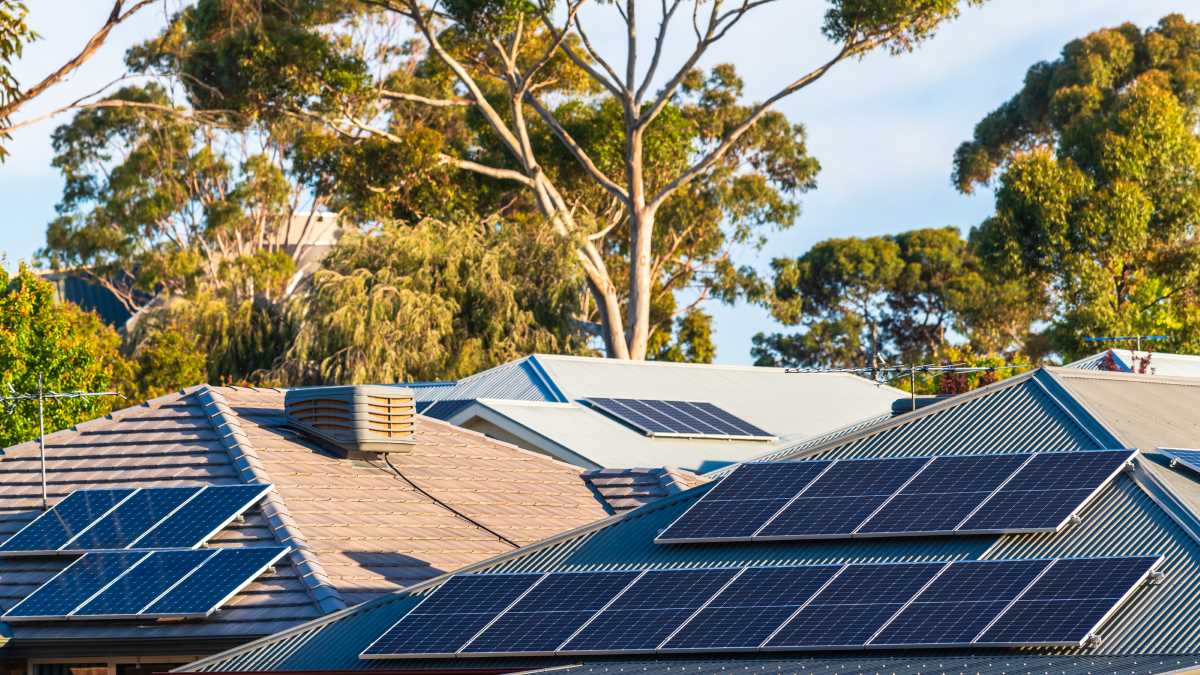
Many people hold misconceptions about solar panels that can deter them from harnessing this renewable energy source. Myths regarding efficiency, cost, and installation often create confusion among potential users.
Some believe that solar panels only work in sunny regions, while others think they require constant maintenance. These misconceptions can lead to missed opportunities for saving money and reducing carbon footprints. By addressing these myths, the post will demonstrate how solar energy is both accessible and effective, regardless of geographical location and upkeep.
The Science Behind Solar Energy
Solar energy harnesses sunlight to produce electricity, utilizing physical and chemical processes that convert solar radiation into usable power.
Understanding Solar Panels
Solar panels consist of photovoltaic (PV) cells that convert sunlight into electricity. These cells are primarily made from silicon, which absorbs photons from sunlight. When light hits the silicon, it excites electrons, creating an electrical current.
The typical structure includes layers of silicon, electrical contacts, and a protective glass sheet. Monocrystalline panels are known for high efficiency and performance. Polycrystalline panels are more affordable but generally less efficient.
Efficiency and Technology Advances
Efficiency in solar panels has improved significantly over the past few decades. Current commercial PV systems range from 15% to 22% efficiency, with experimental models exceeding 25%.
Recent advancements include the development of perovskite solar cells, which outperform traditional silicon cells in efficiency and cost-effectiveness. Building-integrated photovoltaics (BIPV) enable the integration of solar cells into building materials, enhancing aesthetics while providing power.
Economic Aspects of Solar Energy
The economic impact of solar energy extends from initial costs to various incentives available. Understanding these elements can aid in making informed decisions regarding solar investments.
Cost-Benefit Analysis
Investing in solar panels often involves weighing upfront costs against long-term savings. The initial investment for solar panels in Dallas can range between $15,000 and $25,000, depending on the system size and configurations. However, homeowners benefit from lower electricity bills, which can reduce monthly expenses significantly.
Over 20—a relatively short time frame given a panel’s lifespan of 25 years or more.
Renewable Energy Contribution
Solar energy is a critical component of the global shift toward renewable energy sources. By providing a sustainable alternative to fossil fuels, solar panels contribute to energy diversification and energy security.
In 2023, solar energy accounted for nearly 10% of the total electricity generation in the United States. This growth is propelled by technological advancements, decreasing costs, and favorable policies.
Moreover, the transition to solar power encourages job creation in manufacturing, installation, and maintenance sectors. As solar adoption expands, it supports a more resilient energy grid, reducing susceptibility to fossil fuel price volatility and supply disruptions.
Debunking Solar Myths
Addressing these myths and clarifying the realities is essential for informed decision-making regarding solar technology.
Myth vs. Reality
One common myth is that solar panels are only effective in sunny climates. In reality, solar technology can generate energy even on cloudy days. Studies show that solar panels can produce up to 80% of their rated capacity in overcast conditions.
Another widespread belief is that solar energy is too expensive. While the initial investment may seem high, costs have significantly decreased over the past decade. Federal tax credits and state incentives can further reduce financial burdens, making solar installations more accessible.
Addressing Common Concerns
Safety concerns about solar panels often arise, with some believing they are a fire hazard. Modern solar systems are designed to meet stringent safety standards, minimizing risks. In fact, solar panels can withstand extreme weather, and most systems come equipped with protective measures.
Efficiency is another common point of contention. Many think solar panels are inefficient and waste energy. Current technologies achieve efficiencies ranging from 15% to over 22%, depending on the panel type. As technology advances, efficiency continues to improve, making solar power more viable than ever.
The Future of Solar Energy
The future of solar energy is promising, with solar adoption expected to grow significantly in the coming years. Innovations in battery storage technologies are making it easier to store energy for later use, addressing intermittent energy supply issues.
Moreover, advancements in photovoltaic technology are pushing the boundaries of efficiency and affordability. As public awareness increases and policies favor clean energy, solar power systems will likely become a more integral part of energy solutions worldwide. This continued growth reflects the importance of dispelling myths surrounding solar energy.

Deja una respuesta